 Eniola Oloyede
If you’ve recently received your H1B approval notice and are wondering, “Can I transfer my H1B immediately after approval?”, you’re not alone. Many skilled workers looking to change employers or explore new career opportunities in the U.S. often find themselves in this tricky position.
Whether you’re an exceptionally talented individual looking to grow in a new company or aiming to further your career goals, understanding the nuances of the H1B transfer process can directly affect your professional trajectory. Here’s the straightforward truth: Yes, you can transfer your H1B after approval, but there are specific conditions and procedures you must follow.
In this article, we’ll break down everything you need to know about the H1B transfer process, how it can affect your career path, and why planning ahead is key to avoiding costly mistakes. We’ll also explore how Veripass can help mitigate some of the risks and uncertainties surrounding the H1B process.
Read Also: How Long Does an H1B Transfer Take? 5 Powerful Factors
What Does H1B Transfer Mean?
When you transfer an H1B visa, you are essentially shifting your employment from one company to another while maintaining your legal work status in the U.S. This means that while you don’t need to reapply for a new H1B visa (as long as you haven’t exceeded the H1B cap), your new employer will need to file a new Form I-129, along with other supporting documentation.
Here’s the catch: The approval notice alone is not enough to allow for an immediate transfer. While you may have received the H1B approval notice, you can’t simply jump into a transfer until certain conditions are met.
How Does an H1B Transfer Affect Your Career?
Changing employers during the H1B process isn’t just about paperwork; it’s about securing your professional future. When you transfer your H1B, the timing of your transition and how you approach the process can impact your career in these ways:
1. Access to Better Job Opportunities
- The H1B transfer process opens doors to higher-paying roles or positions that may align better with your long-term goals. This is especially important for exceptionally talented individuals who may have received multiple job offers from U.S. employers.
- If you’re currently in a role that doesn’t offer much growth or development, the H1B transfer allows you to explore new opportunities without the restrictions of a visa cap.
2. Building a Stronger Professional Network
- Moving to a new employer can enhance your professional network, introducing you to new colleagues, mentors, and industry leaders who can offer guidance and support. Transferring to a different employer at the right time can give you an edge in your career by expanding your connections.
3. Speeding Up Career Growth
- You may be able to accelerate your career by transferring to a company offering more responsibility, better compensation, or a role that better matches your skillset. Companies looking to sponsor H1B transfers are often eager to hire individuals with expertise in critical sectors like tech, engineering, healthcare, or research.
However, timing is everything. Failing to handle your H1B transfer process correctly can lead to delays that impact the start of your new role. This is where careful planning is essential.
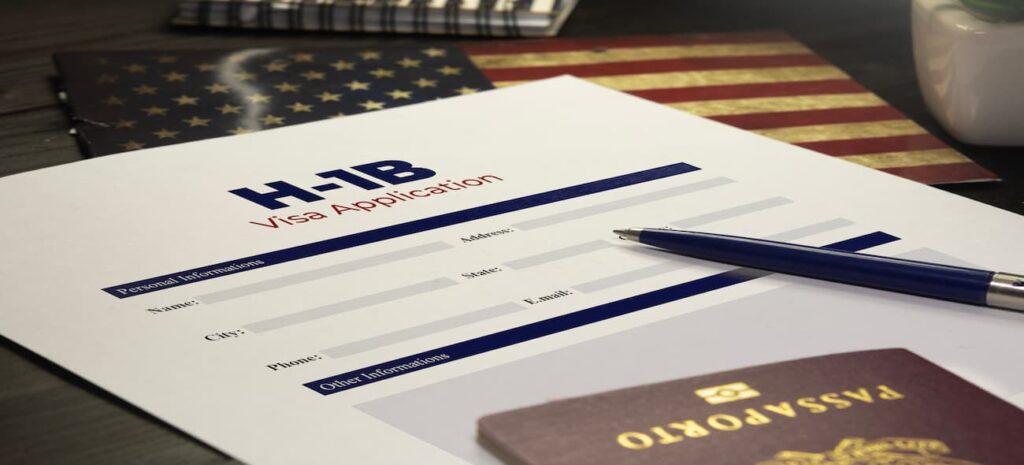
H1B Transfer Process: What You Need to Know
Now that you understand how the H1B transfer can impact your career, it’s time to break down the process so that you can make informed decisions about your transfer:
1. Wait for the H1B Approval Notice
After you’ve received your H1B approval, you cannot transfer to a new employer immediately. This is because you need to wait for your approval notice from USCIS before starting the process. Here’s why:
- You cannot transfer before your H1B approval is officially granted.
- You must wait until your start date (usually October 1st) before making any transfers. If you leave your current employer before this, you could jeopardize your visa status.
2. File the Transfer Petition (Form I-129)
Your new employer will need to file a Form I-129, which is the petition for a non-immigrant worker. This form is crucial because it formally requests that USCIS authorize the transfer to the new employer. The petition must demonstrate:
- The new position is a specialty occupation.
- You are qualified to perform the duties of that role.
3. Labor Condition Application (LCA)
Before submitting the I-129, your new employer must obtain an approved Labor Condition Application (LCA) from the Department of Labor (DOL). This ensures that:
- The wages offered meet the prevailing wage for the role.
- The working conditions meet U.S. labor standards.
4. USCIS Receipt Notice
After USCIS receives the transfer petition, the receipt notice is issued. This notice acts as confirmation that your transfer is under review. You may begin working with the new employer under the H1B portability rule as soon as USCIS issues the receipt notice, even before the final approval. However, you must maintain your legal status during this process.
5. H1B Transfer Approval
Once USCIS processes the petition and issues approval, you will have officially transferred to the new employer. If you are outside the U.S. at the time of approval, you will need to get a new H1B visa stamp at a U.S. consulate before re-entering.
The Role of Veripass in Managing Your H1B Transfer
While Veripass doesn’t handle H1B transfers directly, it plays a critical role in helping you manage your visa status and mitigating risks associated with the H1B transfer process. Veripass is designed to help you:
- Validate your visa status: Veripass can verify your current status and help you avoid risks associated with potential violations or errors in your immigration documentation.
- Track compliance: It can assist you in monitoring compliance with the various rules and requirements around H1B status, ensuring that your transfer goes smoothly and that you avoid issues like unauthorized unemployment or gaps in work status.
- Avoid unnecessary delays: Veripass helps you spot potential visa red flags early on, saving you time and effort during your transfer process. With its visa risk analysis tools, it ensures that you’re not caught off guard by errors that could cause delays or complications in your transfer.
By using Veripass to manage your immigration status, you can enter the H1B transfer process with confidence, knowing that you’re fully prepared for each step.

Why Timing and Documentation Matter for Your H1B Transfer
One of the biggest concerns many face is timing; the ability to transfer immediately after H1B approval can make or break a career move. You’ll need to carefully manage the documentation and timing of your transfer to avoid delays that could result in missed opportunities.
Here’s what you need to consider:
- Job Gap Risks: If you have gaps between jobs, make sure you don’t miss the start of your H1B status, as any delay can jeopardize your legal standing.
- Premium Processing: If timing is critical, consider premium processing, which can expedite the USCIS decision process, typically within 15 calendar days.
- Paystubs and Employment Verification: Most employers will require paystubs as proof that you have been working in H1B status. You cannot transfer without this unless you’re transitioning directly from STEM-OPT to an H1B transfer.
When you ask, “Can I transfer H1B immediately after approval?”, the answer is yes, but only if you follow the right steps. By understanding the H1B transfer process and how it can affect your career opportunities, you can make a strategic move that propels you forward in your professional journey.
If you’re ready to explore new opportunities and make the H1B transfer process work in your favor, Veripass can help you ensure that you’re fully prepared for any potential risks. With the right tools and guidance, you can confidently navigate the transfer process, avoiding delays and ensuring a smooth transition to your new role.
Don’t wait until it’s too late, take control of your career path and make the H1B transfer process an asset to your future. For more information on how to get started with Veripass, watch our free webinar and see how to get started.
Can an approved H-1B petition be transferred?
Yes, an approved H-1B petition can be transferred to a new employer. The new employer must file a new Form I-129 with the U.S. Citizenship and Immigration Services (USCIS) to initiate the transfer. You can start working for the new employer once USCIS issues a receipt notice for the new petition, even before the final approval, under the H-1B portability rule.
What is the grace period for H-1B transfer?
The grace period for an H-1B transfer is typically 60 days. If you are laid off or your employment ends, you have 60 days to find a new employer to transfer your H-1B status or change your status. This grace period allows you to stay in the U.S. legally while you secure a new job and transfer your H-1B.
Is it easy to transfer H-1B to another employer?
Transferring an H-1B to another employer can be relatively straightforward if you meet all requirements. The process involves filing a new Form I-129 and obtaining a Labor Condition Application (LCA) from the new employer. However, it can be delayed if there are gaps in employment or issues with the petition. It’s important to have all the documentation ready and to be aware of any risks, such as the potential need for premium processing if timing is critical.
What is the 240-day rule for H-1B visa?
The 240-day rule refers to the time frame a person can stay in the U.S. while waiting for their H-1B visa extension to be processed. If you file for an extension before your current H-1B status expires, you can continue working for up to 240 days while waiting for USCIS to make a decision on your extension application. This rule ensures that you maintain lawful status while your extension is pending.