 Eniola Oloyede
Does USCIS check social media for marriage?
That is not a theoretical question. It is a real one. And if you are reading this, it is probably sitting quietly at the back of your mind while you plan something important.
You may be a founder.
A senior executive.
A researcher.
Someone with strong achievements already on an O1 or EB2 NIW path.
You are not reckless.
You are not guessing.
You want clarity.
So let us answer this properly.
Read Also: USCIS Now Requires Social Media on Visa Applications
Does USCIS check social media for marriage
Yes. USCIS checks social media for marriage cases.
But not in the way most articles describe it.
And this difference matters.
Most articles talk about power and authority.
What USCIS can do.
What laws allow?
That is not what you need.
What you need is how officers think, compare, and decide when a marriage case crosses their desk.
This article explains that. In simple English.
Why this question matters more for high achievers
If you are applying through marriage and you also qualify for O1 or EB2 NIW, you sit in a special category.
You have visibility.
You have a digital footprint.
You have history online.
And that creates two things at the same time:
- Credibility
- Exposure
Many people assume success reduces scrutiny.
In practice, it often does the opposite.
USCIS officers do not see your life the way you do.
They see patterns.
They see timelines.
They see contradictions.
And social media gives them context fast.
That is why asking does uscis check social media for marriage is the right question. But stopping there is not enough.
When USCIS actually checks social media
This is where most articles fail.
USCIS does not scroll social media randomly for fun.
They look at it at specific moments.
Here is how it usually works.
1. Before the interview
An officer reviews your file.
Forms.
Evidence.
Timeline.
If something feels unclear, social media becomes a reference point.
2. During interview preparation
Officers sometimes check social media before asking questions.
Not to trap you.
But to confirm what they already suspect.
3. After the interview
If answers feel inconsistent, officers go back to social media to verify.
This matters because it means your posts are rarely judged alone.
They are judged against your story.

Does USCIS check social media for marriage or just public posts
Another misunderstanding.
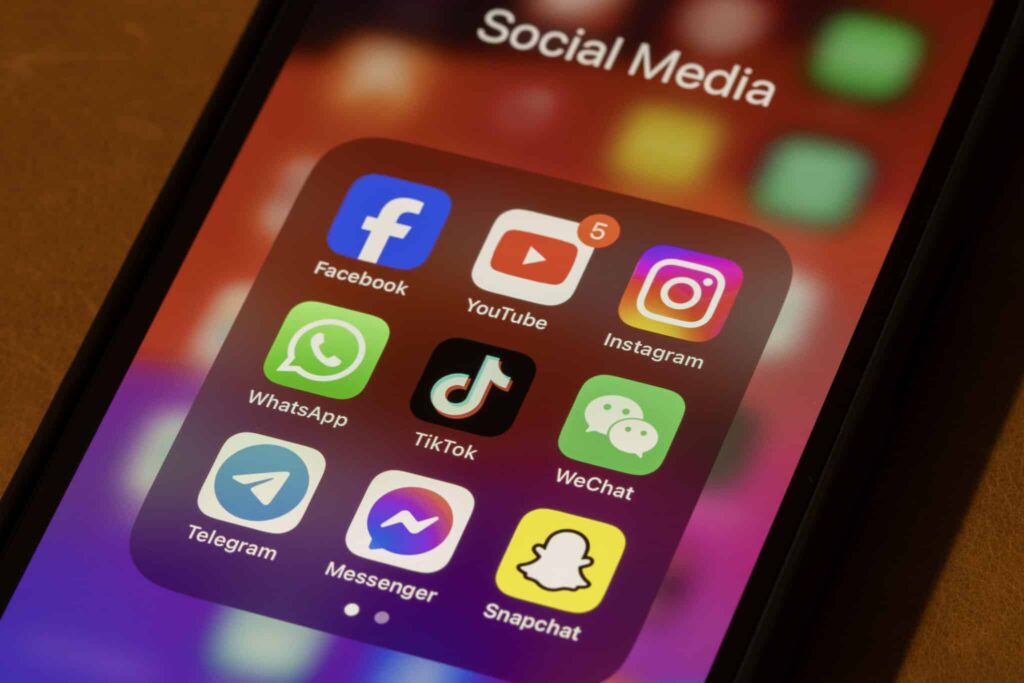
USCIS mainly reviews public information.
They do not need passwords.
But here is the issue.
Public does not always mean obvious.
- Comments on public posts
- Tagged photos
- Public reactions
- Old profile details
- Friends with open accounts
Even private people often leave public traces.
And once something has been public, it can be archived.
So when people ask, Does USCIS check social media for marriage, the real question is this:
Does anything online contradict what I am telling USCIS?
That is the test.
What officers are really looking for
They are not looking for perfect couples.
They are looking for alignment.
Here are the main areas officers compare.
Relationship timeline
Does your online life match the timeline in your forms?
Examples:
1. Marriage announced long after filing
2. Management posts dated after the claimed relationship start
3. Photos with former partners during the claimed marriage period
One post does not kill a case.
A pattern raises questions.
Relationship visibility
This does not mean public display of affection.
It means consistency.
If you post about:
• work
• travel
• events
• awards
But never acknowledge your spouse at all; officers may ask why.
They may accept the explanation.
But they will ask.
Status contradictions
This is common.
• marital status listed as single
• dating app profiles still active
• bios not updated for years
Again, not automatic denial.
But it creates friction.
What USCIS usually ignores
This part is missing from almost every article.
Officers usually ignore:
• lack of frequent posting
• private couples
• cultural or religious modesty
• not sharing wedding photos publicly
• minimal online presence
Silence is not fraud.
What causes problems is conflicting signals, not quiet lives.
This distinction alone separates a calm applicant from a nervous one.
Does USCIS check social media for marriage differently inside and outside the US
Yes. There is a difference.
Adjustment of status inside the US
USCIS officers rely more on documents and interviews.
Social media supports or challenges credibility.
Consular processing abroad
Consular officers rely more on background context.
Social media carries more weight early in the process.
This does not mean one is stricter.
It means the timing of scrutiny differs.
Either way, the standard is consistency.
The mistake many high-level applicants make
Here is an uncomfortable truth.
People with strong resumes often treat marriage filings casually.
They think:
• My work speaks for itself
• My achievements show intent
• Marriage is secondary
USCIS does not think this way.
Marriage cases are judged independently.
And social media is where this mistake shows.
Professional profiles polished.
Personal timelines messy.
This is where RFEs start.
How social media actually leads to RFEs or denials
Not every concern leads to denial.
Here is how escalation usually happens.
Mild inconsistency
The officer asks questions.
You explain.
Case moves on.
Repeated contradictions
Officer issues RFE.
Requests clarification or evidence.
Serious conflict
Officer escalates review.
The fraud unit may look deeper.
Social media rarely acts alone.
It interacts with everything else.
Why deleting posts is risky
People panic.
They delete everything.
That creates another problem.
• sudden deletion after filing
• missing historical posts
• archived content is still accessible
This looks defensive.
USCIS does not expect perfection.
They expect honesty and alignment.
Does USCIS check social media for marriage even after approval
Sometimes.
Especially if:
• conditions removal is pending
• naturalization follows quickly
• previous concerns existed
This is why long-term alignment matters.
Where most applicants need help but do not realize it
This is the real gap.
People focus on:
• forms
• documents
• interviews
They ignore narrative coherence.
Narrative is not lying.
It is clarity.
Your life already has a story.
USCIS is trying to understand it.
Social media is one of their tools.
This is where Veripass fits in
This is the right moment to talk about Veripass.
Veripass is not a blog.
It is not advice only.
Veripass operates as a full immigration platform with in-house attorneys, case strategists, and review teams.
Here is what that means for you.
How Veripass handles social media risk the right way
1. Pre-filing risk review
Before anything is submitted, Veripass reviews:
• social media timelines
• public profile signals
• professional and personal alignment
Not to judge.
To identify issues early.
2. Narrative alignment
Veripass aligns:
• your relationship timeline
• your career narrative
• your immigration path
This prevents contradictions across O1, EB2 NIW, and marriage filings.
3. Controlled adjustments
Not deletion.
Not panic.
Veripass helps you make lawful, reasonable adjustments that reduce confusion without creating suspicion.
4. Attorney-led explanation strategy
If something already exists online, Veripass helps prepare explanations that fit:
• interviews
• RFEs
• officer questions
This is calm.
This is proactive.
Why does this matter more for O1 and EB2 NIW candidates
You often have:
• media mentions
• public speaking
• awards
• international travel
• professional press
Officers compare all of it.
Veripass understands how to keep your professional visibility from creating personal inconsistencies.
Does USCIS check social media for marriage and exceptional talent cases
Yes.
And sometimes with more interest.
Not because of suspicion.
Because there is more information available.
That is why structure matters.
What you should do right now
Do not overreact.
Do not freeze.
Do not erase your digital life.
Do this instead.
• understand how officers think
• review alignment calmly
• prepare before filing
• get guidance early
This reduces stress later.
A final word before you move forward
Marriage-based immigration is not about showing love online.
It is about consistency.
The question; Does USCIS check social media for marriage is really asking this:
Does my life make sense when viewed from the outside?
That is the standard.
And it is manageable when handled properly.
If you are planning:
• a marriage-based filing
• an O1 or EB2 NIW transition
• or a combined strategy
Do not rely on guesswork.
Watch the free Veripass webinar.
It explains how cases are reviewed, where people slip, and how to avoid silent risks.
Watch the free webinar, and book a consultation with Veripass today.
It is better to understand this now than explain it later.
Can USCIS check social media?
Yes. USCIS can check public social media posts. Officers use them to confirm identity, review timelines, and compare what you post online with what you state in your application and interview. They do not need your password to do this.
How does USCIS investigate marriages?
USCIS reviews your forms, documents, and interview answers first. If something feels unclear, they may look at social media to compare timelines, relationship details, and consistency. They focus on patterns, not one post.
What shows up on the USCIS background check?
A background check may include immigration history, travel records, prior filings, criminal records if any, and publicly available online information. Social media is used only to support or question what is already in your file.
Does an immigration consultant check social media?
Yes, a good immigration consultant reviews social media as part of risk assessment. This is done to spot inconsistencies early, not to police your life. The goal is to reduce surprises during review or an interview.