 Eniola Oloyede
If you’re an individual with exceptional talent or achievements, you’ve probably already considered the EB-1 visa as a fast track to U.S. permanent residency. But when it comes to EB-1A vs EB-1B, which one is right for you? Understanding the differences between these two visa categories can be the key to your successful transition to the U.S.
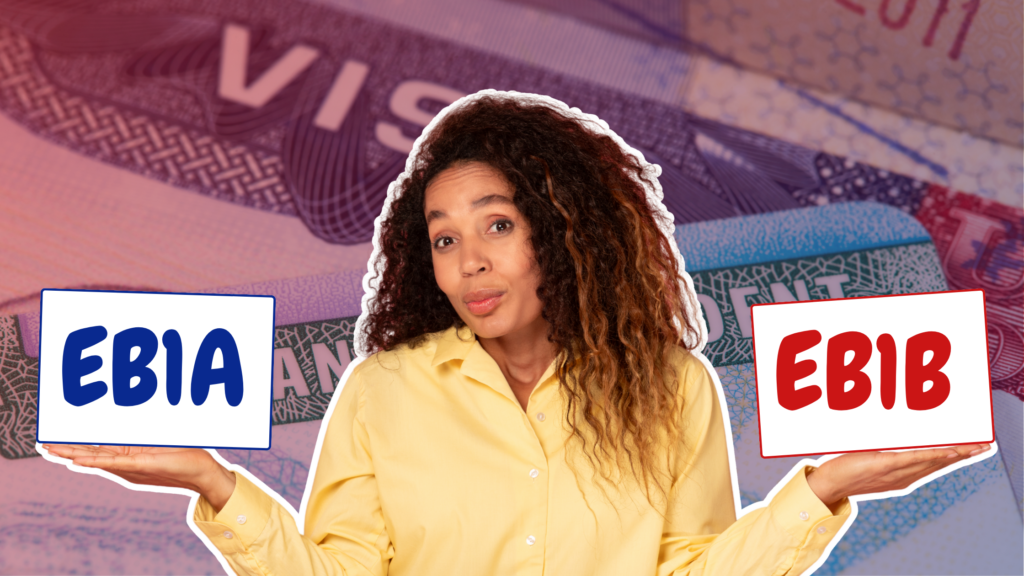
Let’s break down EB-1A vs EB-1B; what sets them apart, how they align with your professional background, and which one can help you achieve your Green Card goals. The good news is, with the right guidance, you can navigate this process confidently.
Read Also: EB-1A Premium Processing Time: Proven Fast Timeline
What is the EB-1 Visa?
The EB-1 visa is a category for individuals with extraordinary abilities, exceptional academic achievements, or significant managerial or executive experience at multinational companies. If you’re someone whose talents set you apart, whether in the arts, business, science, or management, then the EB-1 visa might be the perfect route to permanent U.S. residency.
The EB-1A and EB-1B visas are both part of this category, but they cater to slightly different groups of people. Here’s a closer look at how they differ.
EB-1A vs EB-1B: The Key Differences
1. Self-Petition vs Employer Sponsorship
- EB-1A: You can self-petition for an EB-1A visa. That means you don’t need a job offer or employer sponsorship. This visa is ideal for people who have achieved extraordinary success in their field and want the freedom to work for any employer in the U.S.
- EB-1B: Unlike EB-1A, the EB-1B visa requires employer sponsorship. This is for professors, researchers, and other professionals with outstanding achievements in their field, and you must have a permanent job offer from a U.S. employer, typically in academia or research.
2. Eligibility Criteria
- EB-1A: To qualify for EB-1A, you must demonstrate extraordinary ability in your field. This could be through:
- Major awards (like a Nobel Prize or Olympic Medal)
- Documented proof of your achievements (publications, presentations, patents, etc.)
- Media coverage or peer reviews
- EB-1B: The EB-1B visa is specifically designed for outstanding professors and researchers. You must show:
- A strong academic record (publications, awards, etc.)
- At least 3 years of experience in teaching or research
- A permanent job offer from a U.S. institution (university or research facility)

3. Fields of Expertise
- EB-1A: This visa applies to a broad range of fields: arts, business, science, education, athletics, and more. If you’re a world-class athlete, a highly successful entrepreneur, or a renowned artist, you could qualify for EB-1A.
- EB-1B: The EB-1B is more specific, focusing on academic and research positions. If you’re a professor, scientist, or researcher, this visa will be your best bet.
4. Work Experience Requirements
- EB-1A: No minimum work experience is required for the EB-1A visa. You just need to demonstrate your extraordinary abilities through your achievements.
- EB-1B: The EB-1B visa requires at least three years of experience in your academic or research field. Additionally, you need to have an ongoing offer of employment in the U.S. in a relevant position.
Benefits of EB-1A vs EB-1B
- Flexibility with EB-1A: One of the key advantages of EB-1A is the ability to self-petition. This offers the flexibility to change jobs without affecting your immigration status. If you’re an entrepreneur or someone who values independence, this could be a huge benefit.
- Stability with EB-1B: On the other hand, the EB-1B visa requires you to stay with the sponsoring employer (university or research institution). If you’re looking for long-term stability in your academic career, this could be a better fit.
Processing Times and Costs: What You Need to Know
1. Processing Times for EB-1A and EB-1B
- EB-1A: The processing time for EB-1A is typically 8 to 14 months, depending on the service center and whether you opt for premium processing.
- EB-1B: EB-1B processing times are 6 to 12 months, with premium processing available in 15 business days for an additional fee.
2. Cost Breakdown
The filing costs for EB-1A and EB-1B are fairly similar, though they can vary based on your unique case. Here’s a quick overview:
- Form I-140 Filing Fee: $715
- Premium Processing Fee: $2,805 (if applicable)
However, the main difference lies in the legal fees. If you’re applying for an EB-1B, your employer may cover some of the legal costs. For EB-1A, since you’re self-petitioning, you’ll be responsible for all costs.
How Veripass Can Help You Navigate the EB-1A vs EB-1B Decision
Now, you might be wondering, “How do I choose between EB-1A vs EB-1B?” The process can be complex, and knowing the best visa category for your unique situation is crucial. That’s where Veripass comes in.
Veripass, a trusted immigration platform, offers personalized guidance for individuals seeking to navigate the immigration system, especially when it comes to visas like the EB-1A and EB-1B. With expert knowledge in the field of U.S. immigration, Veripass can help you determine:
- Which EB-1 visa category best fits your career and achievements?
- How to prepare your documentation to ensure the strongest application possible.
- How to avoid common mistakes that could delay or derail your petition.
Veripass also provides seamless assistance with visa filing, legal advice, and comprehensive support throughout the entire process. With Veripass, you’ll have a clear roadmap to follow, increasing your chances of success.
When to Choose EB-1A or EB-1B?
Choosing the right visa depends on your background and goals. Here’s a simple guide to help you decide:
- Choose EB-1A if:
- You have a track record of extraordinary achievements.
- You want the freedom to change jobs or employers.
- You don’t want to be tied to a single employer.
- Choose EB-1B if:
- You are a professor, researcher, or have a strong academic background.
- You have a permanent job offer in the U.S. at a university or research institution.
- You prefer a stable, long-term position with a sponsoring employer.
Ready to Learn More? Watch Our Free Webinar on EB-1 Visas
Choosing between EB-1A vs EB-1B can feel overwhelming. That’s why we’ve created a free webinar to guide you through the process. In this webinar, we’ll:
- Break down the key differences between EB-1A and EB-1B.
- Discuss the eligibility requirements, processing times, and costs.
- Share insights from experts in U.S. immigration law.
Don’t miss out, watch the free webinar today and take your first step toward securing your U.S. Green Card with the right visa!
Final Thoughts
When it comes to EB-1A vs EB-1B, your choice depends on your professional field, career goals, and whether you want the flexibility of self-petitioning or the stability of employer sponsorship. The process is complex, but with the right guidance, you can successfully navigate the path to permanent residency.
If you’re unsure which option is best for you, remember that Veripass is here to provide expert guidance and support throughout the entire process. Whether you’re considering the EB-1A or EB-1B, Veripass will help you make an informed decision and ensure your application is as strong as possible.
What is the difference between EB-1A and EB-1B visa?
The EB-1A and EB-1B are both part of the EB-1 category for employment-based immigration, but they cater to different groups:
1. EB-1A: For individuals with extraordinary ability in fields such as the arts, business, science, or athletics. You can self-petition, meaning you don’t need a job offer or employer sponsorship.
2. EB-1B: For outstanding professors and researchers who have international recognition in their field. This visa requires employer sponsorship and a permanent job offer from a U.S. university or research institution.
The main difference lies in the self-petitioning ability of the EB-1A and the employer sponsorship requirement for EB-1B.
Who qualifies for EB-1A?
The EB-1A visa is for individuals who have achieved extraordinary ability in their field. To qualify, you must meet at least 3 out of 10 criteria set by USCIS, which may include:
1. Major awards like a Nobel Prize or an Olympic medal.
2. Significant contributions to your field, such as published research, a high salary, or original work in your area of expertise.
3. Publications about your work or invitations to speak at major events.
4. Membership in prestigious associations in your field.
EB-1A is often the best option for entrepreneurs, artists, scientists, and athletes who want the flexibility to self-petition and work for any employer in the U.S.
Which is easier, EB-1A or EB-1B?
The EB-1A is generally considered more difficult to qualify for, as it requires proving extraordinary ability in your field, with a higher standard of evidence. It’s ideal for those with major achievements, such as Nobel Prizes, and those who want to self-petition without a job offer.
On the other hand, the EB-1B might be more attainable for academics and researchers who have a solid academic track record but don’t need the same level of extraordinary achievement required for EB-1A. However, the EB-1B requires a permanent job offer from a U.S. employer, which could limit your options compared to the flexibility of EB-1A.
So, EB-1A can be harder in terms of the level of achievement required, but it offers more flexibility.
What is the difference between EB-1 and H-1B visa?
The EB-1 visa is a permanent residency option (Green Card) for individuals with extraordinary abilities, outstanding academic records, or multinational executives, while the H-1B visa is a temporary work visa for foreign workers in specialty occupations (typically requiring a bachelor’s degree or higher).
1. EB-1: Leads to a Green Card, offering permanent residency and no limit on the number of years you can stay or work in the U.S.
2. H-1B: Temporary, usually valid for 3 years, and can be renewed up to a maximum of 6 years. It requires employer sponsorship and is subject to an annual cap.
In summary, EB-1 is for permanent immigration and is available to those with high-level achievements, while H-1B is a temporary visa for specialized workers with a U.S. employer sponsor.