
 Eniola Oloyede
The EB-1C priority date I-140 filing date is one of the most misunderstood parts of employment-based immigration. Many executives, founders, investors, and professionals believe the key step is getting the I-140 petition approved. That belief is only partly correct.
The real timeline of a green card often depends on one date.
That date is the EB-1C priority date I-140 filing date.
This single detail decides when your green card process can move forward and when you must wait. Many immigration articles talk about processing times, forms, and interviews. Very few explain how this date controls the entire system.

If you are a senior professional planning to move to the United States through EB-1C, O-1, or EB-2 pathways, you need to understand how this date works. When you understand it early, you can make better decisions about when to file, how to structure your case, and how to shorten your timeline.
This guide explains the EB-1C priority date I-140 filing date in simple English and shows how it affects your immigration strategy.
See Also: Can I Work Two Full-Time Jobs on H1B? Proven Strategies
What the EB-1c priority date I-140 filing date really means
The EB-1C priority date I-140 filing date is the day USCIS receives the immigrant petition called Form I-140.
When the petition arrives at USCIS, the government records the date. That date becomes the applicant’s priority date.
Think of it as your place in line for a green card.
If thousands of people apply in the same category, the priority date decides who moves first. The earlier your date, the earlier your case may move forward.
For EB-1C petitions, this date is normally the same as the I-140 filing date because this category does not require a labor certification before filing the immigrant petition.
Once the petition is received, USCIS sends a receipt notice known as Form I-797. The priority date appears on that document.
From that moment, the EB-1C priority date I-140 filing date becomes part of your immigration record.
Why the EB-1C priority date I-140 filing date matters for executives and founders
Many high-earning professionals use different visa paths before applying for permanent residence.
A common sequence looks like this:
- O-1 visa for individuals with extraordinary ability
- L-1A visa for multinational executives
- EB-2 National Interest Waiver
- EB-1C multinational executive category
In each situation, the EB-1C priority date I-140 filing date becomes the key point that decides when the green card can be issued.
This date matters for several reasons.
- It determines when you can file the adjustment of status application.
- It determines when a visa number becomes available.
- It determines whether your case moves immediately or enters a waiting period.
Professionals who plan early can use this system to shorten their timeline.
How the EB-1C priority date I-140 filing date is created
The EB-1C priority date I-140 filing date begins when the employer submits Form I-140 to USCIS.
This petition must show that the applicant qualifies as a multinational executive or manager.
The petition normally includes evidence such as:
- company ownership or corporate relationship
- executive or managerial job description
- proof of employment abroad
- organizational charts
- financial records
Once USCIS receives the petition, the agency issues a receipt notice.
That receipt shows the exact filing date.
That filing date becomes the priority date.
Even if the petition takes months to approve, the priority date remains the same.

How the Visa Bulletin controls your priority date
After the EB-1C priority date I-140 filing date is established, the next step involves the Visa Bulletin.
The U.S. Department of State publishes the Visa Bulletin every month. It shows when immigrant visas become available.
Two charts appear in the bulletin.
Dates for Filing chart explained
The Dates for Filing chart shows when applicants may submit the adjustment of status application.
If USCIS allows this chart for that month, applicants whose priority dates are earlier than the listed date may file Form I-485.
Final Action Dates chart explained
The Final Action Dates chart shows when a visa number is actually available.
Your EB-1c priority date I-140 filing date must fall before the cutoff date in this chart for the green card to be approved.
If the bulletin shows the letter C, the category is current. This means visas are available immediately.
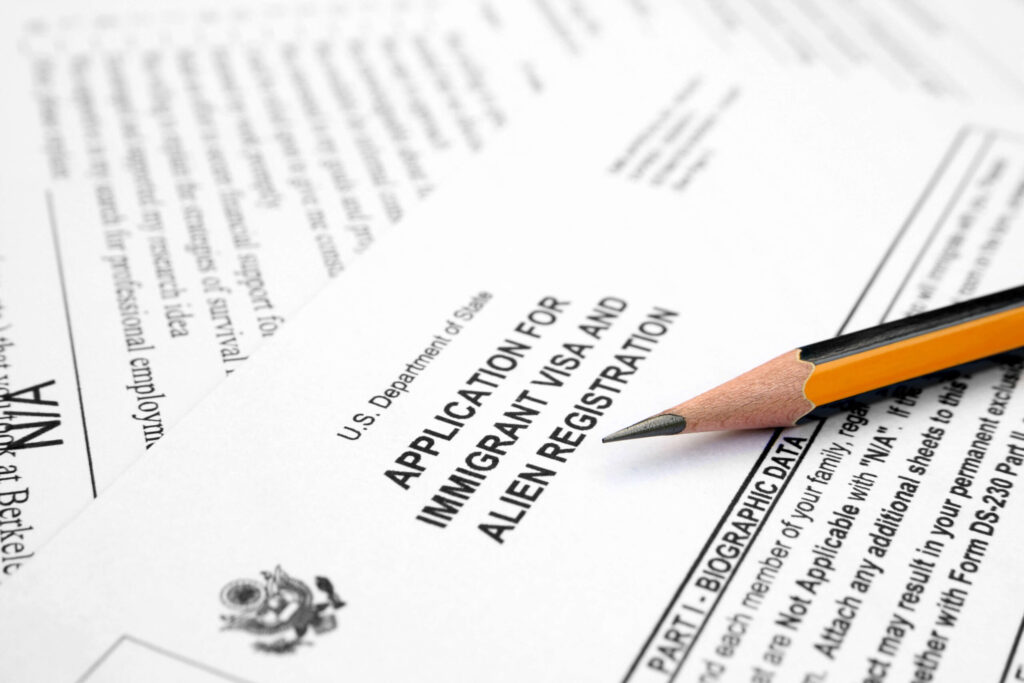
Example of how the EB-1C priority date I-140 filing date works
Consider an executive from Brazil working for a multinational company.
The company files an EB-1C petition.
I-140 filed: May 2026
Priority date: May 2026
If the Visa Bulletin shows EB-1 as current, the applicant can move forward quickly.
If the bulletin shows a cutoff date earlier than May 2026, the applicant must wait until the bulletin reaches that date.
This is how the EB-1C priority date I-140 filing date controls the timeline.
When the EB-1C priority date I-140 filing date does not cause delays
For many countries, EB-1 categories often remain current.
When this happens, applicants can move forward without waiting.
The EB-1C priority date I-140 filing date still exists, but it does not slow the process.
Executives from many regions benefit from this situation because they can file the green card stage quickly.
When retrogression affects EB-1C applicants
Retrogression happens when the number of applicants becomes higher than the number of visas available.
When this occurs, the government moves the Visa Bulletin cutoff date backward.
Applicants from countries with high demand sometimes face this situation.
For example, India and China have experienced retrogression in EB-1 categories.
When retrogression happens, the eb-1c priority date i-140 filing date must become current again before the case can move forward.
This is why applicants should monitor the Visa Bulletin regularly.
Concurrent filing and why it shortens the process
Concurrent filing means submitting Form I-140 and Form I-485 at the same time.
This option is available only when the eb-1c priority date i-140 filing date is current.
Concurrent filing offers several benefits.
- Applicants may apply for work authorization.
- Applicants may request travel permission.
- The green card timeline can become shorter.
Many multinational executives who enter the United States on L-1A visas later use EB-1C with concurrent filing.
Priority date portability, most articles never explain
One powerful concept many immigration guides ignore is priority date portability.
Priority date portability allows applicants to keep an earlier priority date from another approved petition.
Keeping an earlier EB-2 priority date
Imagine a professional who filed an EB-2 petition in 2021.
That petition received a priority date of 2021.
Later, the professional qualifies for EB-1C.
When filing the EB-1C petition, the applicant may request to keep the earlier priority date.
Moving from EB-2 or EB-3 to EB-1C
Many executives improve their immigration timeline by moving to EB-1C while keeping the earlier priority date.
This strategy can shorten waiting periods by several years.
Understanding this rule allows professionals to build a stronger immigration plan.
Why immigration planning fails for many high achievers
Many successful professionals approach immigration with the wrong focus.
They concentrate on approval speed, premium processing, or paperwork.
Those things matter, but they do not control the final timeline.
The EB-1C priority date i-140 filing date controls the system.
When applicants fail to understand this concept, they sometimes wait longer than necessary.
Early planning can prevent these delays.
Where Veripass enters the picture
Preparing an immigration strategy involves more than filing forms.
Professionals must review their background, documentation, and timing.
Veripass helps applicants prepare stronger immigration cases before petitions are filed.
The platform analyzes factors that may affect immigration decisions.
- Professional history
- Public records
- Social media visibility
- Employment structure
- Documentation gaps
How Veripass reviews immigration risk
Veripass helps professionals review their cases before filing.
The system evaluates how your professional record appears to immigration officers.
Applicants can correct problems early instead of facing delays later.
How Veripass helps structure EB-1C cases
Veripass also helps professionals organize their immigration strategy.
For example, the platform can help applicants:
- prepare executive-level documentation
- identify whether EB-1C or EB-2 fits their case first
- Review the corporate structure for multinational petitions
- analyze priority date opportunities
For executives and founders, these details can change the timeline of the green card process.
Real scenario involving O-1 and EB-1C
Consider a founder running a growing international company.
The founder first entered the United States through an O-1 visa.
The company later opens a U.S. office.
The founder moves into an executive role in the American branch.
The company files an EB-1C petition.
At that moment, the EB-1C priority date I-140 filing date is recorded.
If the category remains current, the founder may move quickly to the green card stage.
This example shows how visa categories can connect in long-term immigration planning.
Common mistakes people make with EB-1C priority dates
Several mistakes appear frequently in EB-1C immigration cases.
- Waiting too long before filing the I-140 petition
- Ignoring monthly Visa Bulletin updates
- Assuming petition approval means an immediate green card
- Failing to request earlier priority dates
- Submitting weak executive documentation
These mistakes often create unnecessary delays.
How to monitor your priority date
Tracking the EB-1C priority date I-140 filing date is simple.
Follow these steps.
- Keep your I-797 receipt notice.
- Check the Visa Bulletin each month.
- Compare your priority date with the cutoff date.
If your date appears earlier than the listed cutoff, your case may move forward.
Why EB-1C remains one of the strongest immigration options
EB-1C offers several advantages for multinational executives.
- No labor certification requirement
- Direct path to permanent residence
- Strong approval rates for qualified applicants
- Opportunity for concurrent filing
For many executives and business owners, EB-1C remains one of the fastest employment-based green card routes.
The EB-1C priority date I-140 filing date controls the timeline of many employment-based green card cases.
Understanding this date early helps professionals plan their immigration strategy more effectively.
When applicants understand how priority dates interact with the Visa Bulletin, they can make better decisions about when to file and how to structure their case.
Many professionals learn these rules only after filing their petitions.
By then, important planning opportunities may already be lost.
If you want a clear immigration strategy before filing your petition, start with Veripass.
Veripass helps professionals prepare stronger immigration cases, review risk factors, and structure visa strategies that align with long-term goals.
Instead of guessing how the EB-1C priority date I-140 filing date will affect your future, you can plan your case with clarity from the beginning.
Watch the free webinar and begin preparing your immigration strategy today.
What is the processing time for I-140 in EB-1C?
The processing time for Form I-140 under the EB-1C category usually ranges between 6 and 10 months, depending on USCIS workload and the service center handling the petition.
In some cases, the timeline can be shorter or longer based on factors such as:
1. The quality of the documentation submitted
2. Whether USCIS issues a Request for Evidence (RFE)
3. The service center is processing the case
Unlike some other employment-based petitions, EB-1C does not always qualify for premium processing, although USCIS occasionally expands eligibility. Even when premium processing is available, it only speeds up the I-140 decision, not the green card stage.
After the I-140 approval, the applicant must still wait for the priority date to become current before the green card can be issued.
Is the I-140 filing date the priority date?
Yes. For EB-1C cases, the I-140 filing date normally becomes the priority date.
The priority date is the day USCIS receives the immigrant petition. Since EB-1C does not require a labor certification, the system uses the I-140 receipt date to establish your place in line for an immigrant visa.
Once USCIS receives the petition, they issue Form I-797 receipt notice, which shows the priority date. That date stays with your case throughout the immigration process.
In short, for EB-1C applicants:
I-140 filing date = priority date.
This date determines when your green card application can move forward based on visa availability.
What is the wait time for an EB-1C visa?
The total EB-1C green card timeline often ranges between 12 and 24 months, though the exact timeline depends on several factors.
Typical stages include:
I-140 petition preparation and filing
USCIS review of the petition
adjustment of status or consular processing
background checks and final decision
If the EB-1 category is current in the Visa Bulletin, the process may move faster because applicants do not need to wait for visa availability.
However, applicants from countries with high demand such as India or China may face additional waiting time if the EB-1 category becomes backlogged.
For applicants from most other countries, EB-1C often remains current, which allows the process to move forward without long waiting periods.
What is the priority date for EB-1C?
The priority date for EB-1C is usually the date USCIS receives the I-140 petition filed by the employer.
This date marks the applicant’s position in the green card queue.
If immigrant visa demand is high, applicants must wait until their priority date becomes earlier than the cutoff date listed in the Visa Bulletin.
Once the priority date becomes current, the applicant can proceed with the final green card stage.
In many EB-1C cases, especially for applicants outside high-demand countries, the category remains current, which allows applicants to move forward without long delays.