Visa Social Media Check: The Hidden Factor That Could Destroy Your Clients’ Dreams of Traveling
Imagine this: You’ve helped your client fill out every form, gather all the documents, and prepare for their embassy interview. Everything seems perfect. But then, a visa social media check pulls up an old post, a harmless comment, or a connection with the wrong group. Suddenly, their dream of traveling is at risk. A visa social media check isn’t just a formality anymore; it’s the make-or-break moment in the visa application process.
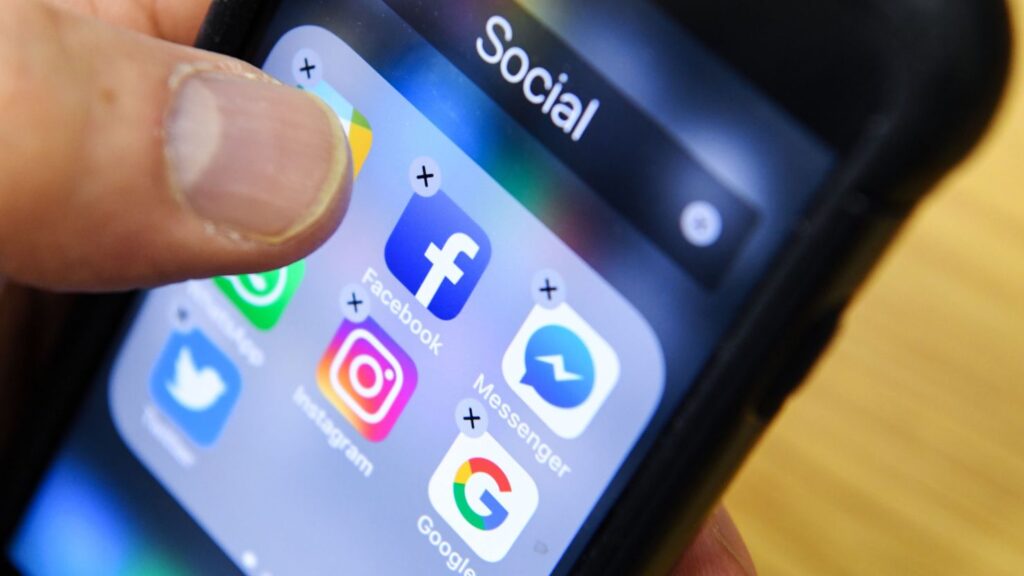
As a travel agent, you know the stakes are high. A single misstep in the process could lead to delays, denials, or worse, your client’s visa application being rejected. This article will walk you through the ins and outs of visa social media checks and explain how Vettstream, the number one solution for scanning social media and documents, can help you protect your clients from unnecessary visa rejections. Keep reading to ensure you never let a social media slip-up stand between your clients and their travel dreams.
See Also: Immigration Advice for Immigrants: 5 Ways to Boost Your Visa Success
What Is a Visa Social Media Check?
A visa social media check involves reviewing an applicant’s online presence as part of the visa vetting process. U.S. consulates have expanded their screening procedures, and social media plays a significant role. Travel agents and individuals involved in the visa process need to be aware of how social media checks can impact approval rates.
For example, social media vetting might include the following:
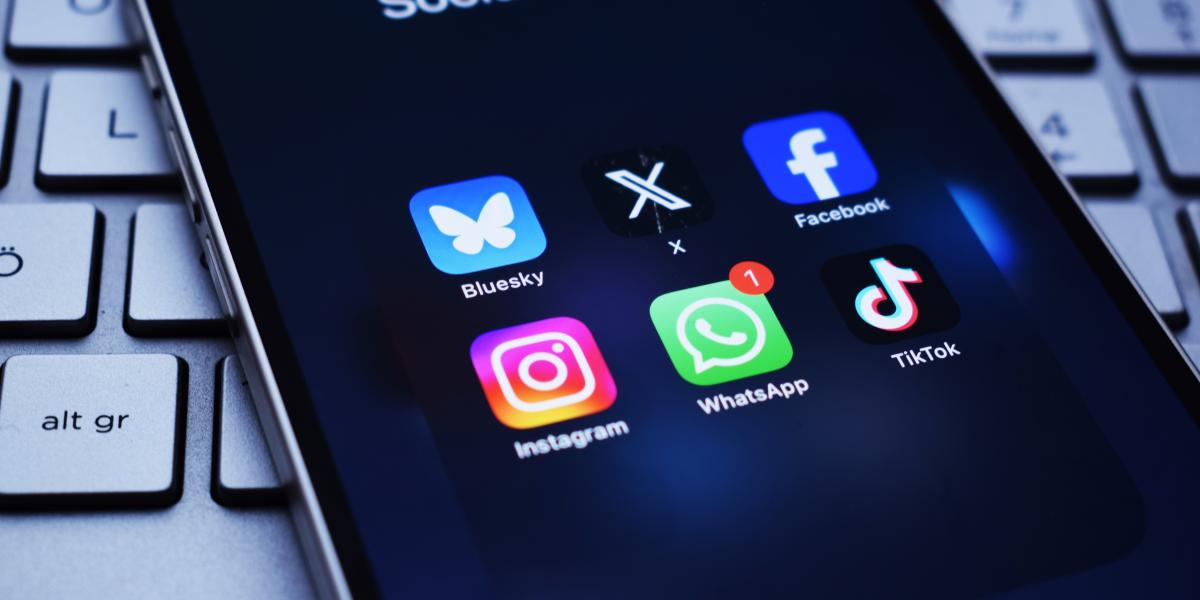
- Reviewing public posts, photos, comments, and interactions on social media platforms like Facebook, Twitter, LinkedIn, Instagram, and others.
- Assessing biographical information such as education, work history, and affiliations.
- Checking public groups, pages, and accounts the applicant follows or interacts with.
To avoid any surprises, applicants for certain visa categories (including F, M, J, H-1B, and H-4 visa types) must ensure their social media profiles are public. If you’re helping clients, you should guide them through this process to prevent delays and complications.
Why Is Social Media Vetting Important for Visa Applications?
The goal of the visa social media check is to verify that applicants meet the eligibility criteria and do not pose a threat to national security. The U.S. government uses these checks to assess the following:
- National Security: Ensuring applicants are not linked to groups or activities that might pose a security risk.
- Public Safety: Screening for harmful content such as hate speech, threats, or support for extremist organizations.
- Eligibility Verification: Ensuring applicants are consistent with the information provided on their visa application and interview.
It’s no longer enough for applicants to submit documents and hope for the best. Today, their online presence is under scrutiny, and inconsistencies between their social media and visa applications can raise red flags. This can lead to unnecessary delays or outright denial of their visa.
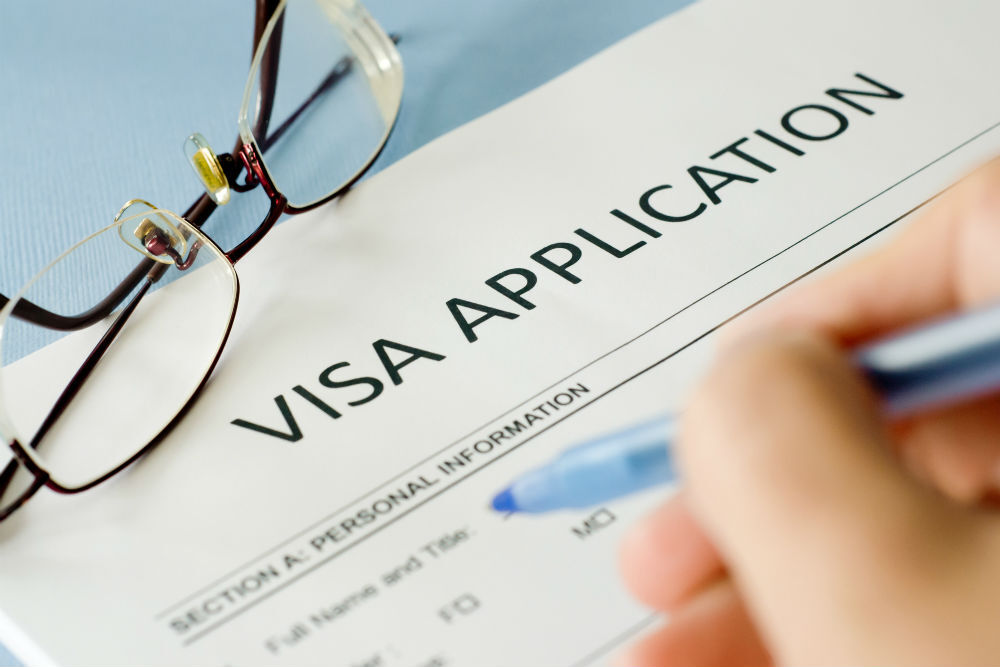
How Does a Visa Social Media Check Affect Your Clients’ Chances of Approval?
You might be wondering: how does this affect the actual approval process for my clients? Here are a few key points that outline the potential impact of a visa social media check:
- Inconsistencies and Misrepresentation: If an applicant’s social media presence contradicts the details provided on their visa application (such as a public post about previous visa violations), it could be flagged by consular officers, resulting in a visa denial.
- Public Posts: Public posts that suggest a hostile attitude towards the United States, extremist views, or affiliation with certain groups can significantly hurt an applicant’s chances. Even seemingly innocent posts can be misinterpreted.
- Unlawful Activity: Any signs of unlawful activity, whether through posts, comments, or group affiliations, could lead to automatic disqualification.
In short, social media vetting has introduced another layer of complexity into the visa application process. But this doesn’t mean your clients are doomed to rejection. The key to success lies in proper preparation and proactive management of their online presence.
What Can Travel Agents and Applicants Do to Prepare for a Visa Social Media Check?
Now that you understand the importance of visa social media checks, here’s how you can help your clients prepare effectively.
- Review Social Media Accounts: Go through all your clients’ social media profiles and ensure all the information is accurate. This includes:
- Education, work history, and affiliations.
- Posts, comments, and interactions that may be flagged.
- Any past affiliations with groups or causes that could raise concerns.
- Make Profiles Public: Advise your clients to change the privacy settings of their social media accounts to public before their visa interview. This ensures consular officers can view all relevant content without restrictions.
- Remove Problematic Content: If there are any posts that could be misinterpreted or raise red flags, suggest that your clients remove or update them. While deleting too much content right before the interview might look suspicious, cleaning up problematic posts well in advance can improve their chances.
- Ensure Consistency: Your client’s online profile should reflect the same details as their visa application. Inconsistencies in their personal details (e.g., mismatched job titles, schools, or locations) can lead to confusion or doubts from consular officers.
- Monitor Online Reputation: Have your clients search for their names online and see what comes up. Anything that could be seen as negative or inconsistent should be addressed ahead of time.
How Vettstream Helps You Avoid High Visa Denial Rates
If you’re a travel agent, you need a tool that helps you conduct thorough visa social media checks before sending your clients’ applications to the embassy. This is where Vettstream comes in.
Vettstream is the number one solution for visa screening and vetting, providing you with everything you need to ensure your clients’ applications are accurate, complete, and ready for submission. Here’s how it helps:
- Social Media Screening: Vettstream scans all social media profiles to check for problematic content, inconsistencies, or affiliations that could negatively impact a visa application. It helps you identify potential risks before submitting the application.
- Document Verification: Vettstream goes beyond just social media checks. It helps verify your clients’ documents, ensuring there are no discrepancies between what they’ve submitted and what is publicly available on the internet. This gives you confidence that your clients’ documents are in perfect order before they head to the embassy.
- Comprehensive Reports: Vettstream generates detailed reports on the social media profiles and documents, highlighting any red flags that could raise concerns during the vetting process. You can use these reports to advise your clients on what changes need to be made.
- Minimize Visa Denial Risk: By using Vettstream, you’re taking proactive steps to minimize the risk of denial by identifying any issues early in the process. This ensures that your clients’ visa applications are as strong as possible, with all potential issues addressed.
How Does Vettstream Work?
Vettstream is simple to use, and it provides immediate value to travel agents like you. Here’s how it works:
- Step 1: Sign up for Vettstream and log in to your account.
- Step 2: Input your client’s social media handles and upload any necessary documents.
- Step 3: Vettstream will scan the profiles and documents, providing a comprehensive report with suggestions for improvements.
- Step 4: Review the report, and guide your client to make necessary changes before submitting the application to the embassy.
With Vettstream, you’re not just reducing the risk of visa denial; you’re giving your clients the best chance at approval by ensuring their profiles and documents are thoroughly vetted and compliant.
Ready to Improve Your Clients’ Visa Approval Chances?
If you want to streamline the visa application process and help your clients avoid the hassle of last-minute denials, it’s time to start using Vettstream. Take control of the visa social media check process today and ensure that your clients’ applications are ready for approval.
Visit VettStream.com to get started immediately.
Navigating the visa social media check process can be overwhelming, but with the right tools and preparation, you can make sure your clients’ applications are successful. By reviewing social media profiles, ensuring consistency, and using Vettstream, you can minimize the risk of visa denials and ensure a smooth, hassle-free experience for your clients. With Vettstream, you’ve got the most effective solution for the job. Don’t leave your clients’ future to chance. Get started today!
How do they check social media for a visa?
U.S. consular officers review publicly available content on social media platforms provided by visa applicants. They typically ask applicants to disclose their social media handles from the past five years. The review includes posts, comments, interactions, groups, pages, and affiliations that could provide insight into the applicant’s intentions or background. This helps ensure applicants meet the eligibility criteria and don’t pose a security risk.
What exactly will they check on social media when going for a US visa interview?
1. Consular officers will review the following:
2. Public posts, photos, and comments
3. Interactions with others (e.g., likes, replies)
4. Biographical details such as education, work, and affiliations
5. Groups, pages, and accounts followed or associated with
6. Any content that might suggest a threat to U.S. national security or public safety
The goal is to verify the consistency of the information provided in the visa application and interview and ensure there are no red flags.
Does NVC check social media?
Yes, the National Visa Center (NVC) may include social media checks as part of its broader vetting process. The NVC does not directly handle social media vetting, but it may flag any discrepancies or concerns found during the visa processing stages. They can forward this information to the consular officers who review the visa application and conduct the interview.
Do US visa applications check for Instagram?
Yes, U.S. visa applications may include an Instagram check, along with other social media platforms. Applicants are typically required to provide their Instagram handle (if used in the last five years), and consular officers may review publicly available content on Instagram to check for inconsistencies or problematic content that might affect the visa decision.