 Eniola Oloyede
The moment you’ve been waiting for: your H1B petition has been approved, but now you’re facing the final hurdle—H1B visa stamping. You might be wondering, can H1B visa be rejected during stamping? The answer, unfortunately, is yes. While it’s the last step in securing your visa, H1B visa rejection during stamping is more common than most applicants think.
In this article, we’ll break down why can H1B visa be rejected during stamping and provide you with five essential tips to help you avoid these pitfalls. With the right preparation, you can reduce the chances of facing rejection and have a smooth visa stamping process.
Read Also: Can H1B Visa Transfer Be Rejected? 5 Ways to Avoid It!
Can H1B Visa Be Rejected During Stamping? Understanding the Process
First, let’s break down what H1B visa stamping is. This step comes after your H1B petition is approved by the United States Citizenship and Immigration Services (USCIS). To complete the process, you need to get your visa stamped at a U.S. consulate or embassy in your home country or another designated location.
It’s the final step to get the official visa stamp in your passport, allowing you to enter the U.S. and begin working for your employer under the terms of your approved petition.
Sounds simple enough, right? Well, it can be, but it’s not always as straightforward as it seems. The visa stamping process is where many applicants run into trouble.
So, can H1B visas be rejected during stamping? Absolutely. Let’s go over the most common reasons.
Reasons Your H1B Visa Could Be Rejected During Stamping
- Incomplete or Missing Documentation
- This is the most common reason for H1B visa rejections. If the consulate finds that you’re missing critical documents, like your employment verification letter, pay stubs, or your I-797 approval notice, they may reject your visa application on the spot.
- Employer-Employee Relationship Issues
- If you’re working for a third-party employer, meaning you’ll be working at a client’s site, consular officers will look closely at your employer-employee relationship. They need to be convinced that your employer has the right to control your job duties, pay, and work performance.
- Prevailing Wage Non-Compliance
- U.S. immigration law requires employers to pay their H1B workers the prevailing wage for their job role and geographic area. If your employer fails to meet this standard, your visa could be denied.
- Job Duties and Specialty Occupation Issues
- For an H1B visa to be approved, the job must be a specialty occupation, meaning it requires a bachelor’s degree or higher in a specific field. If the job doesn’t clearly meet this requirement, your visa might be rejected.
- Social Media Scrutiny
- In December 2025, the U.S. Department of State expanded its review of applicants’ online presence. This means consular officers might look at your publicly visible social media profiles (LinkedIn, Facebook, Twitter, etc.) to help make their decision.
- Security and Background Checks
- If there’s anything suspicious in your background, such as previous visa violations or criminal history, this could cause delays or lead to rejection during the stamping process.
How Vettstream Can Help You Avoid H1B Stamping Rejections
Now, we know what can go wrong, but how can you avoid these common pitfalls? The answer is Vettstream.
Vettstream is a powerful tool designed to help travel agents and individuals like you scan social media pages and review all client documents before heading to the embassy. With Vettstream, you can significantly reduce the chances of your H1B visa being rejected during stamping. Here’s how it works:
- Social Media Review: Vettstream’s social media scanning tool allows you to review your client’s social media profiles. It checks for anything that might raise red flags with the consulate, including controversial posts, inconsistent information, or any public statements that could jeopardize the visa process. By reviewing and adjusting these profiles before the interview, you’ll avoid surprises at the embassy.
- Document Verification: Vettstream helps you verify that all the documents you’ll need are complete, accurate, and in order. From employment verification letters to pay stubs and I-797 approval notices, Vettstream ensures everything is submitted correctly, reducing the risk of rejection due to missing paperwork.
- Detailed Guidance on H1B Stamping: Vettstream provides step-by-step instructions on what needs to be done to improve the chances of a successful visa stamping. It helps you check whether all eligibility criteria have been met, from the job duties to the employer-employee relationship, so you’re not caught off guard by unexpected issues.
- Real-Time Updates and Alerts: With Vettstream, you’ll get real-time updates on any changes to the visa stamping process. Whether it’s new fees, updated documentation requirements, or changes in consular policies, Vettstream keeps you informed and ready for any shifts in the process.
How to Prepare for Your H1B Visa Stamping Interview
Once you’ve reviewed everything using Vettstream, it’s time to prepare for your H1B visa interview. Here’s a quick guide on what to do:
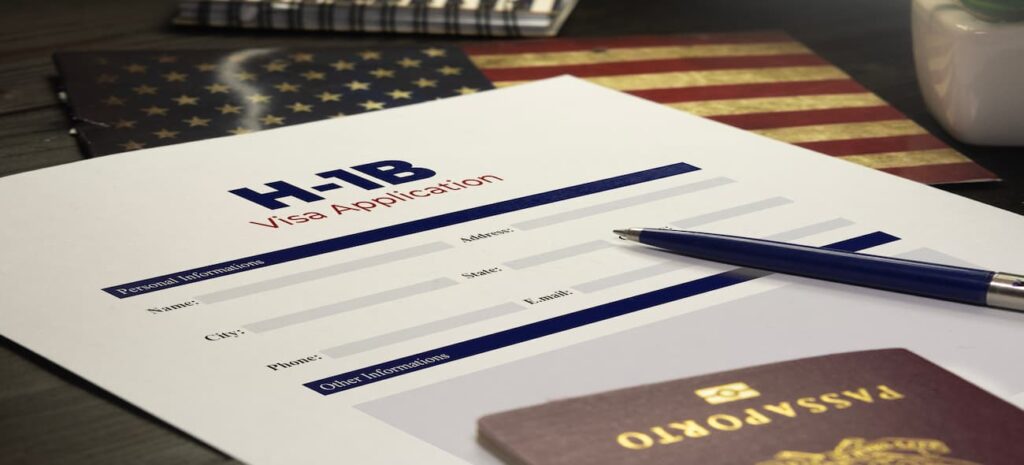
- Complete Your DS-160 Form: This is your online visa application. You’ll need to fill it out before scheduling your visa interview. Make sure all the details are accurate and match the documents you’ll present.
- Schedule Your Interview: Once your DS-160 is complete, schedule your appointment at the U.S. consulate. Be aware that appointment slots can fill up quickly, so book early.
- Prepare Your Documents: Bring all the necessary documents with you, including:
- Valid passport
- Form I-797 Approval Notice
- DS-160 confirmation page
- Employment verification letter
- Recent pay stubs and tax documents
- Stay Calm and Honest: During the interview, the consular officer will ask questions about your job, your employer, and your intentions. Be honest, clear, and concise in your answers. If you’ve used Vettstream to ensure everything is in order, you’ll have nothing to worry about.
The Bottom Line: Why You Should Trust Vettstream
The H1B visa stamping process can be stressful, but it doesn’t have to be. Vettstream takes the guesswork out of the process by providing you with the tools and insights you need to prepare properly. By scanning social media, reviewing documents, and ensuring compliance with U.S. immigration standards, Vettstream gives you a significant advantage in avoiding the common reasons for rejection.
Remember, H1B visas can be rejected during stamping, but with Vettstream, you can drastically reduce the chances of this happening.
Ready to ensure your H1B visa stamping process is smooth and successful? Watch this video to see how Vettstream can help you avoid rejection and make your visa approval process hassle-free.
By following the tips in this article and using Vettstream, you’re not just crossing your fingers hoping everything goes right; you’re taking control of your H1B visa stamping process and making sure it’s done the right way. With the right preparation, you’ll be on your way to a successful U.S. visa stamp in no time.
Does an H-1B Visa Get Rejected During Stamping?
Yes, an H-1B visa can be rejected during the stamping process. The consulate may deny the visa for several reasons, such as incomplete documentation, issues with the employer-employee relationship, failure to meet prevailing wage standards, or concerns about the job duties not meeting specialty occupation requirements. To avoid rejection, make sure all your paperwork is complete and accurate and that you meet the visa’s eligibility criteria.
What is the New Rule for H-1B Stamping?
The new rule for H-1B stamping includes stricter scrutiny of an applicant’s online presence. In December 2025, the U.S. Department of State expanded its review of publicly available social media activity when adjudicating H-1B applications. Consular officers now check social media profiles to ensure the information aligns with the application. Additionally, a new $100,000 fee applies to certain new H-1B petitions for workers outside the U.S.
What Are the Reasons for H-1B Visa Rejection?
H-1B visa rejection can occur for several reasons:
1. Missing Documentation: Incomplete paperwork or missing documents, such as employment verification letters or the I-797 approval notice.
2. Employer-Employee Relationship: If the consular officer is unclear about the employer’s control over the worker’s duties, especially if the job is at a third-party location.
3. Non-Compliance with Prevailing Wage Standards: If the employer does not meet the required wage standards for the position.
4. Job Duties Not Meeting Specialty Occupation Requirements: If the job does not clearly require a bachelor’s degree or higher.
5. Social Media Scrutiny: If there are discrepancies or problematic content found on the applicant’s publicly visible social media profiles.
How Long Does H-1B Visa Stamping Take?
The H-1B visa stamping process typically takes a few days to a few weeks. The exact timeline depends on the U.S. consulate’s workload, the applicant’s specific situation, and potential administrative processing. It’s important to plan ahead and schedule your interview early, as delays are common, especially during peak times or due to additional scrutiny.