
You got the approval. You paid the application fee, sat through the interview, and passed. Now the embassy can ask for $250 more, per person, before it hands you your visa. Under the new visa integrity fee immigration rules, you pay that charge again with every new visa stamp. For an O-1 founder on a single-entry visa who travels four times a year with a spouse and two children, visa fees alone reach $7,280 a year.
That money leaves your pocket before you board a single flight. This guide shows you how visa integrity fee immigration costs add up, how to claim your money back, and which routes let you stop paying the same fee again and again. What the Visa Integrity Fee Immigration Rule Means for You.
See Also: Immigration Recommendation Letter Mistakes Officers Notice
What the Visa Integrity Fee Immigration Rule Means for You
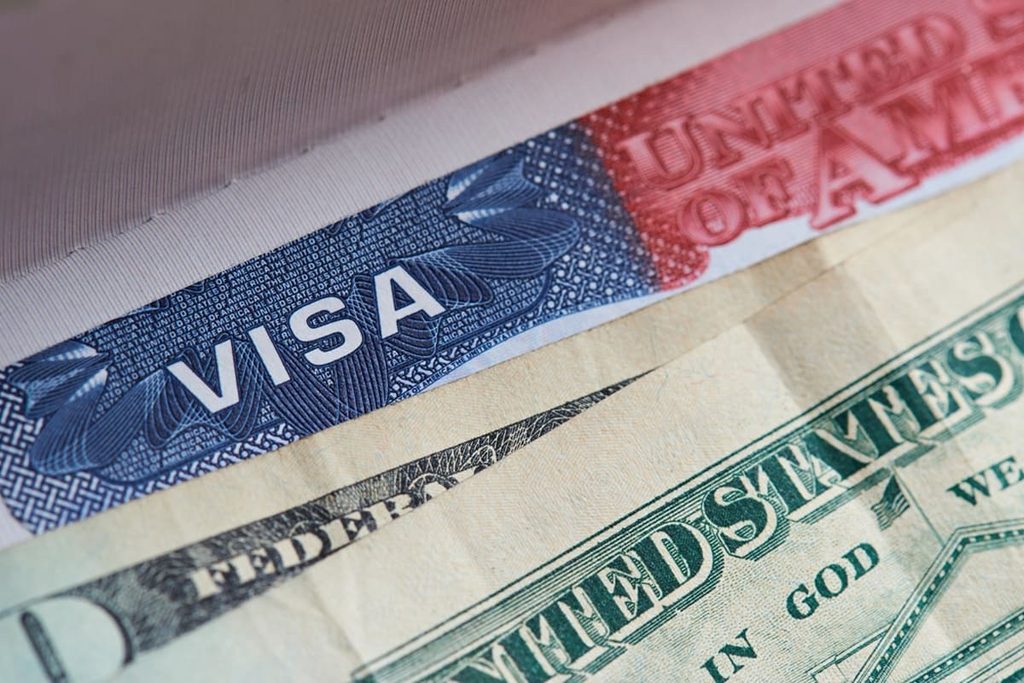
Congress created the fee in the One Big Beautiful Bill Act, which became law on July 4, 2025. It adds at least $250 to most temporary (nonimmigrant) US visas, and the amount rises each year with inflation.
Three points matter most.
- You pay it when the embassy issues your visa, not when you apply. If the officer refuses your visa, you don’t pay it.
- It comes on top of your visa application fee (the MRV fee), your petition fees, and any reciprocity fee.
- Nobody can waive or reduce it. You can only get it back later if you follow your visa rules.
Is Anyone Paying It Yet?
Many articles get this wrong. In July 2025, the government said the fee needed coordination between agencies before collection could begin. The Alliance for International Exchange later pointed out that the law’s text sets no October 1, 2025 start date, even though many articles report one.
In May 2026, Boston University’s international office reported that some embassies had started charging the fee, based on what students told them. We found no official DHS or State Department notice that sets a start date for every embassy.
So treat the fee as real and plan for it. Before your interview, check your embassy’s website and the State Department’s visa fees page. If your embassy charges it, keep the receipt, because you will need it for a refund.
Who Pays and Who Doesn’t
You pay the fee each time a US embassy or consulate issues you a temporary visa. That covers O-1, H-1B, L-1, B-1/B-2, F-1 and J-1 visas, first-time or renewal. Every new stamp brings a new fee, even when your petition is still valid.
The fee applies per person. If you apply with dependents on H-4 or L-2 visas, each of them pays too.
You don’t pay it in three cases.
- You travel on ESTA under the Visa Waiver Program, since you get no visa.
- You apply for an immigrant visa (a green card).
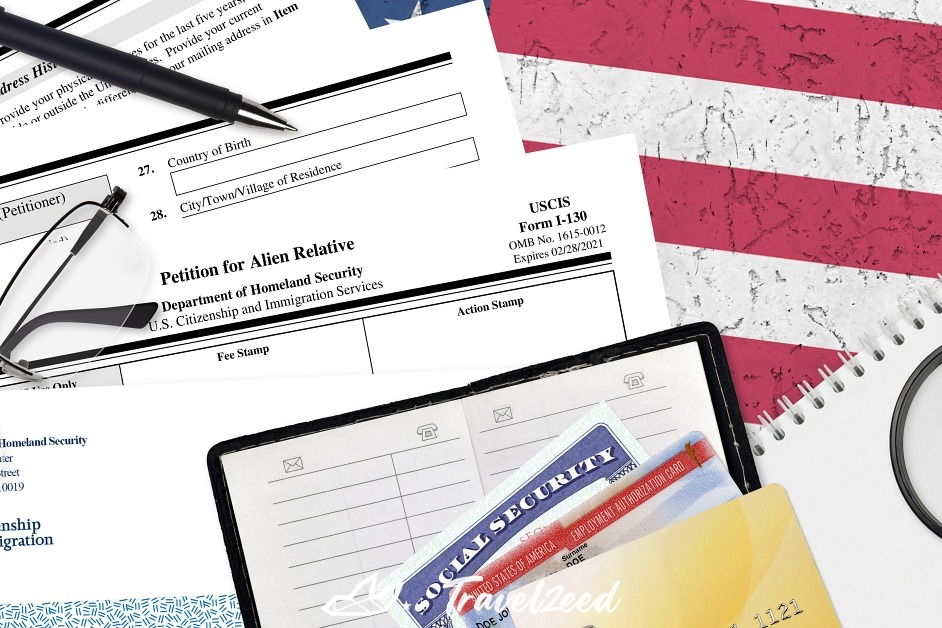
- You change or extend your status inside the US through USCIS. You receive no new visa, so the fee doesn’t attach. You will pay it later if you leave and need a new visa stamp to come back.
If your employer offers to cover the fee, nothing in the law stops them. Any refund goes to you as the traveler, so agree in writing who keeps it.
Your Real Visa Integrity Fee Immigration Costs in 2026
Most guides stop at “$250 extra.” Here is what it looks like for real applicants. These figures use the State Department’s MRV fees, which are $185 for visitor, student, and exchange visas and $205 for petition-based work visas such as the O-1, H-1B, and L-1. They add the $250 minimum integrity fee and leave out petition, legal, and travel costs.
| Your situation | MRV fees | Integrity fees | Total |
|---|---|---|---|
| One visitor on a B-1/B-2 visa | $185 | $250 | $435 |
| One O-1 founder | $205 | $250 | $455 |
| O-1 founder with spouse and two children | $820 | $1,000 | $1,820 |
| O-1 founder on a single-entry visa, four trips a year | $820 | $1,000 | $1,820 a year |
| Same founder with family, four trips a year | $3,280 | $4,000 | $7,280 a year |
The last two rows are where the fee stops being small, and they lead to the part most articles skip.
Why Short Visas Make the Fee Hurt More
The US sets how long your visa lasts and how many entries it allows through a reciprocity schedule for each country. If your country gets five-year, multiple-entry visas, you pay the fee once every five years. If your country gets short, single-entry visas, you pay it far more often.
Take Nigeria. Since July 8, 2025, most US nonimmigrant visas for Nigerians last three months and allow one entry. Before that change, many Nigerians received five-year, multiple-entry visitor visas. In the same month, the State Department made similar changes for Cameroon, Ethiopia, and Ghana. An executive who once traveled on one five-year visa now needs a new visa, and a new integrity fee for almost every trip.
Since January 1, 2026, Presidential Proclamation 10998 has gone further for nationals of the countries on its partial list, including Nigeria, Senegal, Tanzania, Zambia and Zimbabwe. For people who were outside the US and held no valid visa on that date, it suspends B, F, M, and J visas and immigrant visas, with limited exceptions. It also directs officers to shorten other visas. Work visas such as the O-1, H-1B, and L-1 are not on the suspended list.
For readers from these countries, the O-1 becomes a main way in, and each short O-1 stamp carries its own integrity fee. One detail helps you here. Your visa controls entry. Once you’re admitted, your I-94 record controls how long you can stay, so an O-1 holder can remain for the approved period after a three-month visa expires. Fewer, longer trips cost you less than many short ones.
Reciprocity terms change, so check your country’s current schedule on the State Department’s website before you plan travel.

How to Get Your Money Back
The law lets DHS refund the fee if you meet both of these conditions.
- You followed your visa terms, including doing no unauthorized work.
- You left the US within five days after your authorized stay ended, or before your stay ended you got an extension, a change of status, or a green card.
You can only claim after your visa expires. DHS hasn’t launched a claim process yet, and the Congressional Budget Office expects few people to seek refunds. Count the fee as a cost and treat any refund as a bonus.
Short visas do bring one advantage. A three-month visa expires fast, so you reach the refund stage years before someone holding a five-year visa.
Start a refund file today and keep these records.
- Your integrity fee receipt.
- Your visa page and every I-94 record, which you can download from CBP’s I-94 website.
- Boarding passes and passport stamps that show you left on time.
- Approval notices for any extension, change of status or green card.
- Contracts or pay slips that show you only did authorized work.
Visa Integrity Fee vs Visa Bond
Both target people who overstay, and they work differently.
| Visa integrity fee | Visa bond | |
|---|---|---|
| Who pays | Most temporary visa applicants | B-1/B-2 applicants from countries on the State Department list |
| Amount | $250 minimum, rising with inflation | $10,000, $15,000 or $20,000 |
| Status | Law in force, collection unclear | Permanent since August 3, 2026 |
| Refund | After your visa expires, if you complied | If you comply and leave or change status on time |
The visa bond rule currently covers 50 countries, many of them in Africa, and the State Department keeps the current list online. The consular officer sets the bond amount at your interview, and the list can change with 15 days’ notice. If you’re a visitor from a listed country, one visa could cost you the MRV fee, the integrity fee, and a bond. The bond doesn’t apply to O, H, or other work visas.
When a Green Card Route Costs Less
Immigrant visas don’t carry the fee. If you travel to the US often on an O-1 or a visitor visa, the repeated fees and short visas add up year after year.
Two green card routes let you file for yourself with no job offer. The EB-1A is for people with extraordinary ability shown through sustained national or international acclaim. The EB-2 National Interest Waiver lets USCIS waive the job offer when your work serves the national interest. These routes also connect to the refund rules. If you get a green card while your visa is still valid, you meet one of the conditions for getting your fee back.
If you’re from a Proclamation 10998 country, your plan needs care. US embassies can’t currently issue you an immigrant visa abroad, except in narrow cases. USCIS had also paused decisions on applications from nationals of travel ban countries, and in June 2026 a federal court set that pause aside. Your nationality, where you are, and your current status all shape which steps are open to you, so get advice on your exact case before you act.
When the US Squeezes You, Other Doors Open
The integrity fee applies to US visas only. If the US route keeps getting costlier or narrower for your passport, these talent routes carry no such fee and don’t depend on US reciprocity.
- UK Global Talent visa. It’s for leaders or potential leaders in academia or research, arts and culture, or digital technology. You can stay up to five years, work for an employer or yourself, and bring eligible family. Some holders can apply to settle after three years.
- Canada C10 significant benefit work permit. It skips the labor market test when your work brings clear economic, social or cultural benefit to Canada. Canada updated officer instructions in February 2026 to apply closer scrutiny, so your evidence needs to be strong.
- Canada Global Talent Stream. A Canadian employer hires you through a stream that gives innovative firms faster processing for highly skilled roles.
- Australia National Innovation visa (subclass 858). It’s a permanent visa for people with an internationally recognized record of exceptional achievement. You submit an expression of interest and need an invitation before you can apply.
Each route has its own fees and its own bar. The right one depends on your field, your record, and your passport.
What to Do Now
- Check your embassy’s fee instructions before every interview.
- Budget the fee for every family member and every new visa stamp.
- If your visa is single-entry, plan fewer and longer trips.
- Start your refund file on the day you pay.
- Put fee payment and refund ownership in writing with your employer.
- If you travel often, compare the cost of years of repeated fees with a green card or a non-US talent route.
- Recheck your country’s reciprocity schedule, the proclamation list, and the visa bond list before each trip, because all three change.
How Veripass Helps You Plan Around the Fee
The fee itself is simple. The hard part is working out what it means for your plans, and that is where Veripass comes in.
Veripass works with founders, executives, and skilled professionals on the O-1, EB-1A, EB-2 NIW, UK Global Talent, Canada C10 and Global Talent Stream, and Australia NIV routes. Here is how that helps you.
- You see the full cost before you commit. We map what each route costs for your passport and your family, including repeated integrity fees, visa bonds, and reciprocity limits.
- You find out if a permanent route fits now. If your record supports an EB-1A or NIW petition, we show you what moving to that route could save you in repeated visa costs.
- You time your moves around the rules. If your country falls under Proclamation 10998 or short reciprocity terms, we help you plan your visa, travel, and filing steps in the right order.
- You get a backup plan. If the US door narrows for your passport, you already know which UK, Canada, or Australia route fits your profile.
Talk to Us Before Your Next Visa Appointment
Every short visa you renew without a plan costs you money you may never get back. One conversation can show you which route fits your record and what it will cost you over the next five years.
Book your free discovery call with Veripass and leave with a clear plan for your next step.
Which countries will have to pay the visa integrity fee?
The fee doesn’t target specific countries. It applies to anyone who needs a temporary US visa, whatever their nationality. That includes most applicants from Africa, Asia, the Middle East, and Latin America. You don’t pay it if your country is in the Visa Waiver Program, such as the UK, Germany, Japan, or Australia, and you travel on ESTA. Canadian citizens, who usually don’t need a visa, are also generally exempt. Your country still affects how often you pay, because countries with short, single-entry visas, such as Nigeria, face the fee on almost every trip.
What is the visa integrity fee?
It’s a charge of at least $250 that Congress added to most temporary US visas through the One Big Beautiful Bill Act, signed on July 4, 2025. It rises each year with inflation and comes on top of your visa application fee and any other visa costs. You pay it when the embassy issues your visa. You may get it back later if you follow your visa rules and leave on time or change status legally, though DHS hasn’t launched a refund process yet.
Who has to pay the visa integrity fee?
You pay it if a US embassy or consulate issues you a temporary visa, such as an O-1, H-1B, L-1, B-1/B-2, F-1, or J-1. It applies to first-time visas and renewals, and each family member with a visa pays separately. You don’t pay it if you travel on ESTA, apply for a green card, or change or extend your status inside the US without getting a new visa stamp.
Do I have to pay $250 to enter the USA?
Not at the border. You pay the fee at the embassy when it issues your visa, not when you arrive. If you travel on ESTA, you pay the ESTA fee (about $40) instead. Collection has also been uneven, so some embassies may not charge it yet. Check your embassy’s instructions before your interview.
This article is for general information only and is not legal advice. Visa rules and fees change often, so check official government sources or speak with a qualified immigration professional before you act.